• Patient Portal
  • Pay Bill
  • Request Appointment
MCHS_Logo_2024_BLACK
    • Cardiology (Heart)
    • Gastroenterology & Hepatology (Digestive Care)
    • Neurosurgery
    • Obstetrics & Gynecology (OB-GYN)
    • Oncology (Cancer)
    • Orthopedics & Orthopedic Surgery (Bones)
    • Primary Care
    • Spine Care
    • Sports Medicine
    • Virtual Care 24/7
    View all specialties
  • Providers
  • Minnesota

    • Albert Lea
    • Austin
    • Blooming Prairie
    • Butterfield
    • Cannon Falls
    • Fairmont
    • Faribault
    • Lake City
    • Mankato
    • New Prague
    • Northfield
    • Owatonna
    • Plainview
    • Red Wing
    • Sherburn
    • St. James
    • Waseca
    • Zumbrota

    Wisconsin

    • Arcadia
    • Barron
    • Bloomer
    • Chetek
    • Chippewa Falls
    • Eau Claire
    • Ellsworth
    • Glenwood City
    • Holmen
    • La Crosse
    • Menomonie
    • Mondovi
    • Onalaska
    • Osseo
    • Prairie du Chien
    • Rice Lake
    • Sparta
    • Tomah
    mchsmap Map view
    • VirtualCare
      Virtual Care
    • SameDayCare
      Same-Day Care
    • PrimaryCare
      Primary Care
    • SpecialtyCare
      Specialty Care
    • View all care options
    • PrimaryCare
      Billing & Insurance
    • SameDayCare
      Financial Assistance
    • VirtualCare
      Price Transparency
    • Hometown Health
    • Classes & Events
    • Self-guided wellness programs
    • Mayo Clinic Connect
    • Community Resources
  • Patient Portal
  • Pay Bill
  • Request Appointment
MCHS_Logo_2024_BLACK
Search Mayo Clinic Health System
    • Cardiology (Heart)
    • Gastroenterology & Hepatology (Digestive Care)
    • Neurosurgery
    • Obstetrics & Gynecology (OB-GYN)
    • Oncology (Cancer)
    • Orthopedics & Orthopedic Surgery (Bones)
    • Primary Care
    • Spine Care
    • Sports Medicine
    • Virtual Care 24/7
    • View all specialties
  • Providers
    • Minnesota

    • Albert Lea
    • Austin
    • Blooming Prairie
    • Butterfield
    • Cannon Falls
    • Fairmont
    • Faribault
    • Lake City
    • Mankato
    • New Prague
    • Northfield
    • Owatonna
    • Plainview
    • Red Wing
    • Sherburn
    • St. James
    • Waseca
    • Zumbrota

      Wisconsin

    • Arcadia
    • Barron
    • Bloomer
    • Chetek
    • Chippewa Falls
    • Eau Claire
    • Ellsworth
    • Glenwood City
    • Holmen
    • La Crosse
    • Menomonie
    • Mondovi
    • Onalaska
    • Osseo
    • Prairie du Chien
    • Rice Lake
    • Sparta
    • Tomah
    • Map view
    • Virtual Care
    • Same-Day Care
    • Primary Care
    • Specialty Care
    • View all care options
    • Billing & Insurance
    • Financial Assistance
    • Price Transparency
    • Hometown Health
    • Classes & Events
    • Self-guided wellness programs
    • Mayo Clinic Connect
    • Community Resources

Recent Posts

  • ColdfluRSV blog photo
    Speaking of Health
    When to seek care for cold, flu and RSV
    March 10, 2026
  • winter outdoor lady and girl 660x370
    Speaking of Health
    Is your sinus pressure a sinus infection?
    February 09, 2026
  • Izzy Iverson
    Patient Stories
    Unexpected vacation ending leads to rare tumor discovery
    February 05, 2026
Featured Topics
  • Behavioral Health
  • Cancer
  • Children's Health (Pediatrics)
  • Exercise and Fitness
  • Heart Health
  • Men's Health
  • Neurosurgery
  • Obstetrics and Gynecology
  • Orthopedic Health
  • Weight-loss (Bariatric) Surgery
  • Women's Health
Speaking of Health
Tuesday, April 26, 2016

Managing irritable bowel syndrome

Topics in this Post
  • Gastrointestinal Health
IBS_300x250

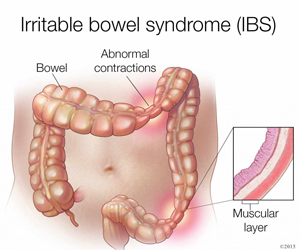
Most adults experience occasional constipation, diarrhea, bloating, gas, urgent bowel movements and cramping abdominal pain. However, for some people, these symptoms are a more regular occurrence affecting their quality of life and daily routine. Unfortunately, many of these individuals have what is known as irritable bowel syndrome (IBS) yet don’t know it because they’ve never received an evaluation or diagnosis.

Often, people feel embarrassed discussing the symptoms of IBS with their medical provider. While as many as one in five American adults have signs and symptoms of IBS, fewer than one in five who has these symptoms seeks medical help. For most people, IBS is a chronic condition, which can fluctuate from producing mild to severe symptoms — and sometimes symptoms disappear completely.

Impact and triggers

The impact of IBS and the way it manifests varies from person to person. Oftentimes, stimuli that fail to bother certain people may in turn trigger symptoms in others with IBS. For example, certain foods, emotional stress, hormones and other illnesses can all incite the symptoms of IBS.

Risk and susceptibility

While IBS can affect almost anyone, certain risk factors do exist, including people who are:

  • Young
  • Female
  • Have a family history of IBS
  • Have a history of anxiety or depression

It’s distinctly less common to have IBS as the cause of your symptoms if the onset of your symptoms occurs after the age of 50 or if you’re experiencing the symptoms at night during normal sleeping hours. These and other signs, such as blood with bowel movements, unintentional weight loss, fevers, nausea with recurrent vomiting and abdominal pain that is unrelieved by having a bowel movement, require further evaluation by a medical professional.

It’s best to seek the advice and expertise of a medical professional if you experience symptoms suggestive of IBS. Importantly, serious conditions can initially appear with the same set of symptoms as IBS. A healthcare provider will help sort out these possibilities. Start with your primary care provider, who may then refer you to another provider with special expertise in IBS. 

If your symptoms fit the typical IBS criteria and you’re not displaying more worrisome signs or symptoms, your doctor may suggest a course of treatment without requiring additional testing. But if you don't respond to that treatment, you may still require additional testing.

Causes

Currently, there’s no cure for IBS, but medical experts know IBS doesn’t result in permanent harm to the intestines and doesn’t cause cancer. Because it's not clear what causes IBS, current treatment focuses on the relief of symptoms so you can live as normally as possible. In most cases, you can successfully control mild symptoms of IBS by learning to manage stress and making healthy changes to your diet and lifestyle. This includes exercising regularly, drinking plenty of fluids and getting enough sleep. Your healthcare provider may prescribe other specific dietary changes, medications and supplementary treatments.

Support

While living with IBS can present daily challenges, your healthcare team is available to help. They can guide you through appropriate evaluation of your symptoms and provide treatments to assist you in optimizing your quality of life. In addition, consider talking with other IBS sufferers or looking for local and online IBS support groups to help you cope with and manage your condition.

By Mayo Clinic Health System staff

Topics in this Post
  • Gastrointestinal Health

Related Posts

Faces of three people montagejpg Gut check: Colon cancer risks and screening
Hand on throat esophagus Barrett's esophagus screening helps with early diagnosis of esophageal cancer
David W Farrar My colonoscopy: Gastroenterologist gets own medicine
Mayo Clinic Health System
About Us
Careers
Volunteer
Donate
Contact Us
Patient Care
Patients & Visitors
Classes & Events
Mayo Clinic Connect
Mayo Clinic
Resources
Referrals
Community Resources
Financial Assistance
Price Transparency
Compliance
Notice of Nondiscrimination
Notice of Privacy Practices
No Surprises Act
Terms of Use
Manage Cookie
Privacy Policy
© 2018 - 2026 Mayo Clinic Health System