Posted By

Recent Posts
-
Speaking of HealthBusy mom doesn't let broken wrist — or winter — win

Q&A: Falls and fall prevention
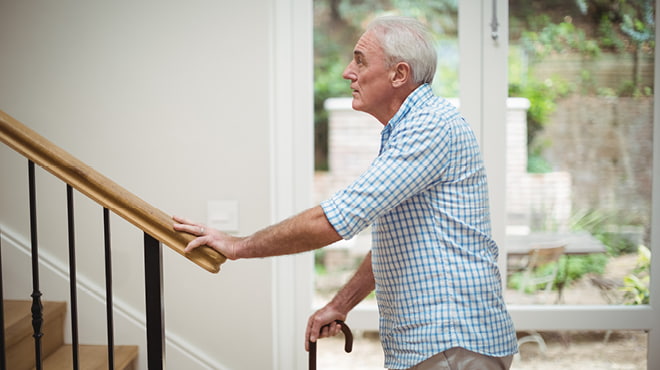
Falls can happen to people of all ages and for a variety of reasons. However, the older we get, the more brittle our bones can become, so even a simple fall can cause a possibly life-changing injury.
Here are a few common questions about falls and fall prevention:
Q. Is everyone at risk for falls?
A. Falls can happen at any age, but older adults are at higher risk of injury from falls. The Centers for Disease Control and Prevention reports that falls are the leading cause of fatal and nonfatal injuries in patients older than 65. Falls in older patients result in more than 3 million emergency room visits and almost 300,000 hip fractures a year.
Q. What orthopedic injuries are most common?
A. Bone health directly affects injury from falls. An estimated 10 million people in the U.S. have osteoporosis. Due to our aging population, 1 in 2 Americans over age 50 has or is at risk of developing osteoporosis of the hip. Women are more affected than men. Common locations for osteoporosis-related fractures, also known as fragility fractures, are the spine, hip and wrist. More than 400,000 fragility fractures occur each year.
The risk of future fracture is increased five-fold after the first fragility fracture, yet only 1 in 5 fracture patients receive screening to prevent future fractures. Of repeat fractures, 50% can be avoided. Fracture patients are less likely to seek follow-up after their injury has healed because they don't think it's needed. An orthopedic health care professional can identify at-risk patients and ensure they get preventive and appropriate post-fracture care.
Q: What are the effects of falls?
Falls can have long-term ramifications. Fractures can make the simplest activities challenging, leading to loss of independence and increased need for support. For older patients, this could mean staying at a temporary rehabilitation center or permanently moving to a family member's home or an assisted living facility for help with daily activities. Younger patients also may need help as their fractures heal.
Q. What are the main causes of falls and how can they be prevented?
Fall prevention and fall-risk awareness are everyone's responsibility. Lifestyle and home modifications can help avoid fractures, and keep us all safer and out of the hospital. Fall risks can be categorized as either patient-specific or environmental.
Patient-specific risk factors and prevention:
- Osteopenia and osteoporosis
Good bone health. can decrease the severity of injuries after a fall. Make sure you're getting enough vitamin D and calcium. Also, consider bone mineral density testing, especially after a fragility fracture (spine, hip or wrist). Depending on the results, your health care professional may recommend treatment. - Impaired gait
How you walk can affect your risk for falls. Talk with your health care professional about an exercise program to improve your strength and balance. Assistive devices, such as a cane or walker, may reduce risk, too. Gait also can be affected by diseases, such as Parkinson's and inner ear disorders. - General health
An annual exam evaluates your overall health and can detect heart and blood pressure problems that may cause unexpected falls. - Medications
Be aware of medication side effects, such as making you sleepy or impairing your balance. Make sure medications are clearly labeled and take them according to the instructions. - Dementia
Patients with dementia who live at home and alone are at higher risk for injury. Family members with memory issues may need redirecting or reminders to use assistive devices. - Vision and hearing
Get annual eye and hearing exams. - Nicotine and alcohol
Nicotine in any form decreases bone health. Alcohol can impair coordination and judgment.
Environmental risk factors and prevention:
- Lighting
Make sure stairs and hallways are well lit. Install night lights to light the path from your bed to the bathroom. Keep flashlights at the bedside in case of power outages. - Floors
Avoid wet floors and use nonskid floor wax. - Carpets
Secure area rugs with double-sided, slip-resistant backing, and consider carpeting concrete, ceramic or marble floors to cushion falls. - Stairs
Stairs should have sturdy handrails on both sides. Add nonslip treads to hardwood stairs. Avoid using patterned or thick carpets on stairs since these make the edges of the steps harder to see and easier to trip on. Repair loose carpets and floorboards. - Bathrooms
Install grab bars near toilets and showers, replace glass shower enclosures with shatterproof material, and place slip-resistant rugs near the shower for safety. Consider using shower chairs and raised toilet seats. - Living space
Remove clutter, low coffee tables, footrests and electric cords that may cause you to trip. Remove any shaky or damaged furniture. - Bedroom
Make your bed easy to get in and out of, keep a phone near your bed, and remove any clutter from around the bed. - Cabinets
Use easy-to-reach and low cabinets. Don't stand on chairs or boxes to reach higher cabinets or shelves. Instead, use a sturdy step stool with handrails for balance. - Chairs
Avoid chairs that are too low to get up from easily. Remove unstable chairs. - Shoes
Wear supportive, nonskid shoes that are weather-appropriate and fit properly. Make sure your shoelaces are well-tied. House slippers also should fit well and have good traction. During the winter, watch for icy spots, and salt or request that your snow removers frequently salt areas in your walkway that tend to get icy as snow melts and refreezes. - Pets
Beware of tripping over pets or getting tangled in long leashes.
Fall prevention is key for maintaining health and independent living. Talk with an orthopedic professional about osteoporosis, bone health and post-fracture care and concerns about potential fracture risk.
Jacqueline Corona, M.D., is an orthopedic surgeon and hand surgery specialist in Mankato, Minnesota.


