• Patient Portal
  • Pay Bill
  • Request Appointment
MCHS_Logo_2024_BLACK
    • Cardiology (Heart)
    • Gastroenterology & Hepatology (Digestive Care)
    • Neurosurgery
    • Obstetrics & Gynecology (OB-GYN)
    • Oncology (Cancer)
    • Orthopedics & Orthopedic Surgery (Bones)
    • Primary Care
    • Spine Care
    • Sports Medicine
    • Urology
    View all specialties
  • Providers
  • Minnesota

    • Albert Lea
    • Austin
    • Blooming Prairie
    • Butterfield
    • Cannon Falls
    • Fairmont
    • Faribault
    • Lake City
    • Mankato
    • New Prague
    • Northfield
    • Owatonna
    • Plainview
    • Red Wing
    • Sherburn
    • St. James
    • Waseca
    • Zumbrota

    Wisconsin

    • Arcadia
    • Barron
    • Bloomer
    • Chetek
    • Chippewa Falls
    • Eau Claire
    • Ellsworth
    • Glenwood City
    • Holmen
    • La Crosse
    • Menomonie
    • Mondovi
    • Onalaska
    • Osseo
    • Prairie du Chien
    • Rice Lake
    • Sparta
    • Tomah
    mchsmap Map view
    • VirtualCare
      Virtual Care
    • SameDayCare
      Same-Day Care
    • PrimaryCare
      Primary Care
    • SpecialtyCare
      Specialty Care
    • View all care options
    • PrimaryCare
      Billing & Insurance
    • SameDayCare
      Financial Assistance
    • VirtualCare
      Price Transparency
  • Health & Wellness Resources
    • Patient Portal
    • Pay Bill
    • Request Appointment
    MCHS_Logo_2024_BLACK
        • Cardiology (Heart)
        • Gastroenterology & Hepatology (Digestive Care)
        • Neurosurgery
        • Obstetrics & Gynecology (OB-GYN)
        • Oncology (Cancer)
        • Orthopedics & Orthopedic Surgery (Bones)
        • Primary Care
        • Spine Care
        • Sports Medicine
        • Urology
        • View all specialties
      • Providers
        • Minnesota

        • Albert Lea
        • Austin
        • Blooming Prairie
        • Butterfield
        • Cannon Falls
        • Fairmont
        • Faribault
        • Lake City
        • Mankato
        • New Prague
        • Northfield
        • Owatonna
        • Plainview
        • Red Wing
        • Sherburn
        • St. James
        • Waseca
        • Zumbrota

          Wisconsin

        • Arcadia
        • Barron
        • Bloomer
        • Chetek
        • Chippewa Falls
        • Eau Claire
        • Ellsworth
        • Glenwood City
        • Holmen
        • La Crosse
        • Menomonie
        • Mondovi
        • Onalaska
        • Osseo
        • Prairie du Chien
        • Rice Lake
        • Sparta
        • Tomah
        • Map view
        • Virtual Care
        • Same-Day Care
        • Primary Care
        • Specialty Care
        • View all care options
        • Billing & Insurance
        • Financial Assistance
        • Price Transparency
      • Health & Wellness Resources

      Recent Posts

      • TreatingNewbornJaundice_Blog_660x370
        Speaking of Health
        Newborn jaundice and light therapy
        December 09, 2025
      • Don H patient blog image
        Patient Stories
        A lifesaver saved: An EMS veteran’s journey from rescue to recovery
        November 14, 2025
      • Child eating apple
        Speaking of Health
        How to help your child reach a healthy weight
        October 29, 2025
      Featured Topics
      • Behavioral Health
      • Cancer
      • Children's Health (Pediatrics)
      • Exercise and Fitness
      • Heart Health
      • Men's Health
      • Neurosurgery
      • Obstetrics and Gynecology
      • Orthopedic Health
      • Weight-loss (Bariatric) Surgery
      • Women's Health
      Doctor's Orders
      Thursday, January 29, 2015

      Always tired? You may have sleep apnea

      Topics in this Post
      • Sleep

      For some people, there's no such thing as a good night's sleep. No matter how early they go to bed — or how many times they press the snooze button — they still wake up groggy.

      Sound familiar? If so, you could have sleep apnea, a potentially serious disorder in which breathing repeatedly stops and starts during sleep.

      DrOrders_DrDeetz_lg

      "Basically, in sleep apnea, your breathing is blocked or obstructed," says Daniel Deetz, M.D., a pulmonologist and sleep medicine specialist. "Your muscles relax during sleep, and for some people that narrows the airway enough that it interferes with breathing."

      Loud snoring may be one indication of the condition.

      "If your spouse is elbowing you at night to get you to quit snoring, you might have sleep apnea," says Dr. Deetz. "People often come in for evaluation because of a spouse's concern about their snoring."

      Other symptoms of the disorder include sleepiness during the day, waking abruptly and short of breath, and waking up with a headache, dry mouth or sore throat. Insomnia and attention problems can also be signs. A sleep study (see sidebar) can diagnose the condition.

      Are you at risk?

      While anyone can develop sleep apnea, certain factors put you at greater risk.

      Obstructive sleep apnea risk factors include:

      • Excess weight
      • A thick neck
      • A narrowed airway
      • Being male
      • Being over 60
      • Family history
      • Use of alcohol, sedatives or tranquilizers
      • Smoking
      • Nasal congestion

      Central sleep apnea risk factors include:

      • Being male
      • Being over 65
      • Having a heart disorder
      • Having a stroke or brain tumor

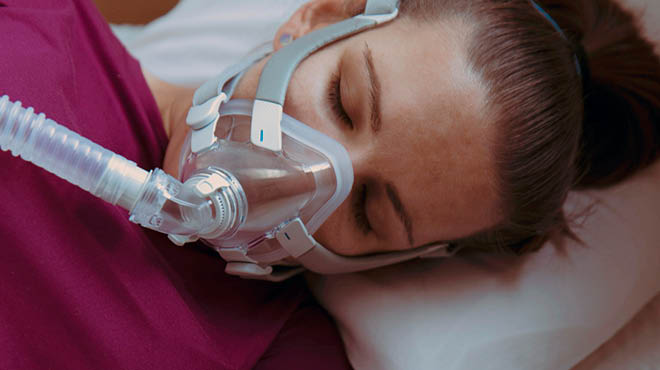
      Sleep apnea can lead to a host of serious health problems, including high blood pressure and heart problems. Fortunately, Dr. Deetz says there are good treatment options available, including continuous positive airway pressure (CPAP) and dental appliances that help keep the airway open.

      "Treating sleep apnea can lead to a huge improvement in quality of life," says Dr. Deetz. "It's great to see the change in patients."

      What happens during a sleep study

      During a sleep study, a technologist attaches electrodes to your body. These flat metal discs connect by wire to an electroencephalography (EEG) machine to record brain wave activity; heart and lung functions; movements of the eyes, chin, abdomen, chest and legs; and muscle activity. The technologist will monitor the information while you sleep. If sleep apnea is detected, you may be awakened and asked to try using a continuous positive airway pressure (CPAP) machine to help keep your airway open. A sleep medicine doctor will review your sleep study results and discuss treatment options, if needed.

      Schedule a sleep study today.

      By Mayo Clinic Health System staff

      Topics in this Post
      • Sleep

      Related Posts

      Sleeping with head on pillow Give your heart some love with sleep
      Gymnast on uneven bars Sleep your way to better athletic performance
      Blog_CPAP Why cleaning your positive airway pressure (PAP) supplies is important
      Mayo Clinic Health System
      About Us
      Careers
      Volunteer
      Donate
      Contact Us
      Patient Care
      Patients & Visitors
      Classes & Events
      Mayo Clinic Connect
      Mayo Clinic
      Resources
      Referrals
      Community Resources
      Financial Assistance
      Price Transparency
      Compliance
      Notice of Nondiscrimination
      Notice of Privacy Practices
      No Surprises Act
      Terms of Use
      Manage Cookie
      Privacy Policy
      © 2018 - 2026 Mayo Clinic Health System